
The Role of Housing in Reducing Crew Turnover Rates
In industries where crew retention is essential to maintaining efficiency and productivity, one often overlooked factor can make a significant difference: housing. Providing comfortable, secure, and convenient living accommodations for crews is more than just a perk—it's a powerful tool for reducing turnover rates.
When workers have access to quality housing, it improves their overall well-being, reduces stress, and fosters a sense of stability, all of which contribute to higher job satisfaction and loyalty.
By addressing the housing needs of their workforce, companies can create a more committed, engaged crew, ultimately leading to lower turnover, improved performance, and long-term success.
How Better Living Conditions Cut Crew Turnover
1. Stability Through Quality Housing
Consistent living conditions play a significant role in reducing crew turnover rates. When workers know they have a reliable and comfortable place to stay, it removes the uncertainty that comes with temporary or unstable housing.
A stable housing environment allows them to focus more on their work and less on where they will sleep each night. Quality housing with amenities like reliable heating, cooling, and proper maintenance ensures that their basic needs are met consistently.
Personal space and privacy are equally important. Crew members often work long hours and need a personal space to relax and recharge. Housing that offers private rooms allows workers to have some alone time, which is crucial for mental health and well-being.
They can rest without disturbances, maintain their privacy, and feel more like they are at home. This sense of personal space can help them feel valued and respected, encouraging them to stay with the company longer.
2. Proximity to Job Sites
Reduced commute times are a huge benefit of housing located near job sites. Commuting long distances can be exhausting, especially after a full day of physical labor. When housing is close to the job site, it significantly cuts down on travel time, allowing workers to spend more time resting and less time on the road. A shorter commute means workers can arrive at work less tired and more ready to start their day.
Less travel stress is another key advantage. Long commutes can lead to stress and frustration, especially if traffic is bad or if public transportation is unreliable. By providing housing close to the job site, workers can avoid these daily hassles.
This reduction in travel stress can lead to better overall job satisfaction. Workers who are less stressed are more likely to stick around, reducing turnover rates and creating a more stable workforce.
3. Enhanced Community and Team Bonding
Shared living spaces can boost team spirit among construction workers. When team members live together, they have more opportunities to connect outside of work hours. Shared kitchens, lounges, and recreational areas become places where workers can gather, chat, and relax. These interactions help build friendships and a sense of community, which can lead to better teamwork on the job site.
Team-building activities are another benefit of shared living spaces. Having areas where workers can participate in group activities, such as barbecues, movie nights, or game tournaments, encourages team bonding.
Participating in fun events together strengthens relationships and creates a stronger team dynamic. Workers who feel connected to their team are more likely to stay with the company, reducing turnover rates.
4. Health and Wellness Benefits
Access to fitness and recreational facilities is important for worker well-being. On-site fitness facilities like gyms or exercise rooms give workers a convenient way to stay active. Physical activity helps reduce stress and improves overall health.
Recreation areas, such as gardens or sports courts, offer ways to unwind and relax after a day of work. Providing these amenities shows that the company cares about the health and happiness of its workers.
Regular maintenance and cleanliness are crucial for a healthy living environment. Routine cleaning services ensure that living spaces are kept tidy and free from health hazards. Regular maintenance helps address any housing issues quickly, such as plumbing problems or broken appliances.
These efforts create a safe and clean environment where workers can live comfortably, further encouraging them to remain with the company.
The Key to Crew Retention: The Impact of Housing on Turnover Rates
Providing quality housing for construction crews is essential in reducing turnover rates. Stability through quality housing, proximity to job sites, enhanced community and team bonding, and health and wellness benefits all contribute to a better living and working experience for workers. When employees feel cared for and comfortable, they are more likely to stay with the company long-term.
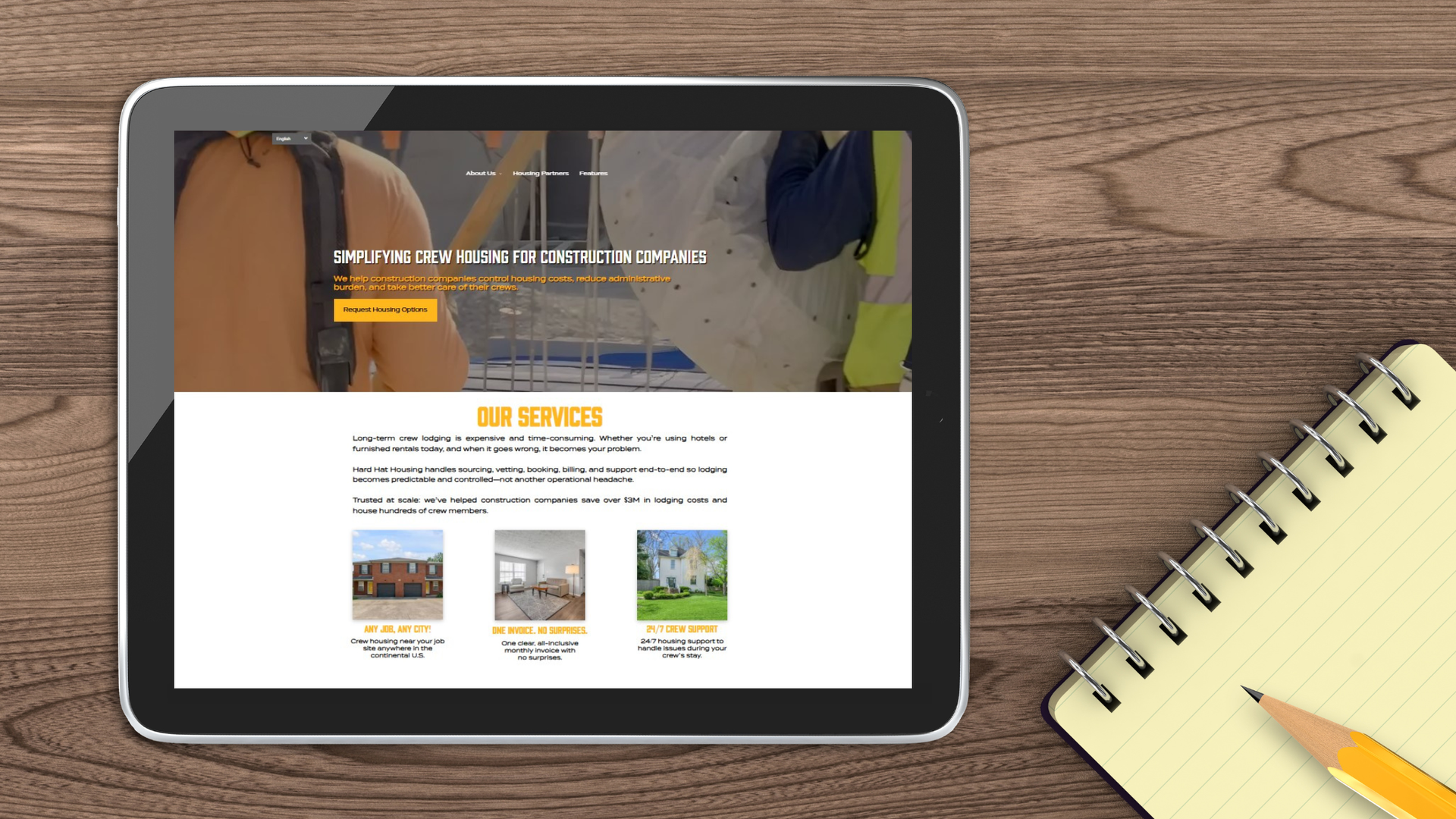
At Hard Hat Housing, we specialize in offering well-located, fully furnished houses for rent construction crews. Our housing solutions are designed to improve worker satisfaction and retention. Contact us today to learn how we can help keep your crew happy and productive!