
How Proper Accommodation Drives Project Success
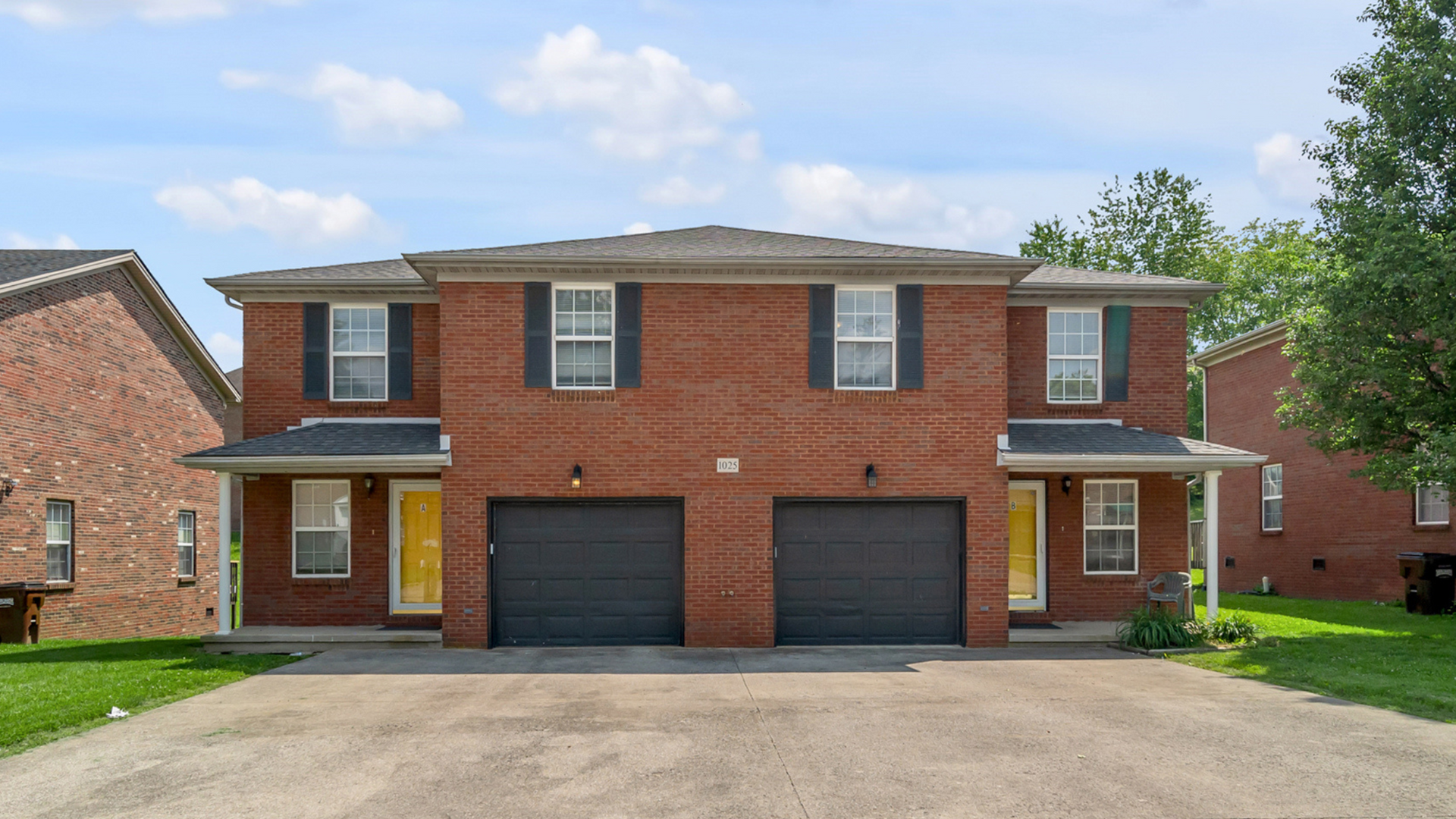
Proper accommodation for construction crews plays a huge role in driving project success. It goes beyond just providing a place to sleep. Comfortable and convenient housing can have a significant impact on workers' overall well-being, productivity, and teamwork. When workers have a good living environment, they are more likely to show up ready and able to perform their best on the job.
A well-rested and healthy crew is vital for any successful project. Good accommodations ensure that workers get the rest and recovery they need after long days. Shorter commutes mean workers can spend more time relaxing and less time traveling to and from the job site. This extra rest can lead to better focus, reduced fatigue, and fewer mistakes on the job.
Beyond physical health, a comfortable living space also contributes to mental well-being. Clean, well-maintained housing reduces stress and creates a positive environment. Workers are happier and more satisfied when they feel cared for, which translates into higher morale and job satisfaction. Another crucial aspect of proper housing is fostering team cohesion. Shared living spaces promote better communication, mutual support, and teamwork. When workers live well together, they work well together, enhancing overall project outcomes.
Enhancing Worker Productivity
Improved rest and recovery significantly boost worker productivity. When construction workers have a comfortable place to stay, it helps them get better sleep and fully recharge. Quality rest reduces fatigue and increases focus, so workers can tackle their tasks with more energy and concentration. A well-rested team makes fewer mistakes and works more efficiently, leading to smoother and faster project completion.
Reduced commute times also play a major role in productivity. Long commutes can be draining and leave less time for rest. By providing housing close to the job site, workers can reduce travel time. This extra time can be used to rest, enjoy personal activities, or prepare for the next day’s work. Shorter commutes mean workers arrive on-site fresh and ready, which helps maintain high productivity levels throughout the day.
Ensuring Worker Safety and Health
Clean, hygienic living conditions are crucial for workers' safety and health. Regular cleaning services ensure that living spaces are free from dust, allergens, and pests. A clean environment reduces the risk of illnesses and keeps workers healthy. It also prevents the spread of germs, which is essential in keeping the entire crew safe. Healthy workers are more productive and miss fewer days, contributing to project success.
Access to essential amenities is another important factor in ensuring worker safety and health. Well-equipped accommodations provide workers with the basics, such as clean water, heating and cooling, and proper kitchen facilities. These amenities ensure that workers have a comfortable and safe place to live. Access to essentials means workers can maintain their health and well-being, keeping them in top condition for their demanding jobs.
Boosting Morale and Job Satisfaction
Comfortable, home-like environments greatly improve worker morale and job satisfaction. When construction crews have access to well-furnished housing, it feels more like a home rather than just a place to sleep. Comfortable beds, cozy living areas, and nice furnishings help workers relax and feel more at ease. This sense of comfort boosts their happiness and makes them look forward to returning after a long day at work.
Stress reduction and mental wellness are also heavily impacted by proper accommodation. A well-maintained living space reduces the daily stress of poor living conditions. Workers don’t have to worry about cleaning up big messes or dealing with pest problems, allowing them to focus more on their well-being. Lower stress levels improve mental health, making workers more content and motivated, leading to better job performance.
Facilitating Team Cohesion and Collaboration
Shared living spaces foster teamwork and camaraderie among construction crews. When workers live together in a shared environment, it encourages them to interact and build stronger bonds. This shared experience creates a sense of unity and partnership that can extend to the work site. Long-term, strong team relationships result in better cooperation and more effective collaboration during projects.
Enhanced communication and mutual support are natural outcomes of shared living arrangements. Workers who live together tend to communicate more openly and frequently. This improved communication helps resolve conflicts quickly and supports better teamwork. Mutual support among team members can lead to shared problem-solving and innovation, making the entire crew more effective in handling challenges and completing tasks efficiently.
Conclusion
Proper accommodation is a key driver of project success in the construction industry. By enhancing worker productivity, ensuring health and safety, boosting morale, and fostering teamwork, suitable housing contributes to better project outcomes. Workers who have access to clean, comfortable, and convenient living spaces are more likely to perform at their best, stay healthier, and work better with their teams.
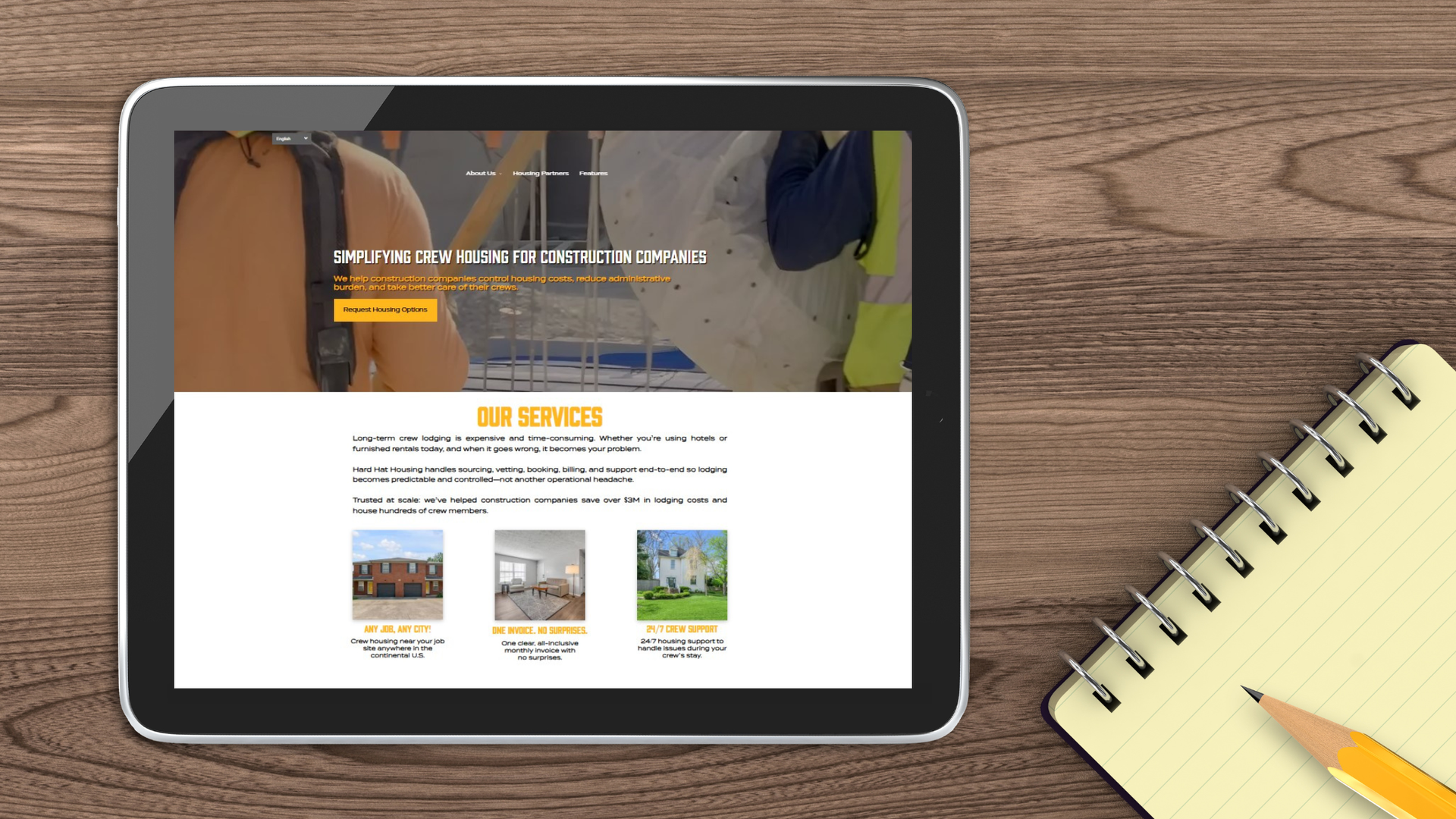
Providing high-quality housing for construction crews is a smart investment that pays off in many ways. It promotes a positive and productive working environment, leading to successful project completion. If you're looking to improve your crew’s living conditions, consider Hard Hat Housing. Our midterm rentals offer the perfect solution for your construction team’s needs. Contact us today to learn more about our convenient, fully furnished, and clean workforce accommodations designed to support your crew's success