Efficient and Streamlined Logistics with Nearby Crew Housing
Construction projects can be complex, requiring smooth logistics and effective team management. One crucial factor to improve these aspects is providing quality housing close to job sites. When housing is conveniently located, crews experience less travel-related stress, arriving at work refreshed and on time. This proximity not only helps in maintaining project timelines but also ensures that workers are ready and alert, reducing fatigue and improving overall performance.
Moreover, having crew members stay in nearby accommodations fosters a sense of camaraderie. It creates opportunities for team building as they share living spaces and experiences. Shared environments encourage team communication and collaboration, ultimately benefiting the project's success. When teams work well together, they share ideas and solve problems more efficiently, making everyday tasks a breeze.
Enhancing Efficiency with Proximity
When construction crews are housed close to their work sites, they save significant time and reduce daily stress. Commuting long distances can be both exhausting and inefficient. It often leads to workers arriving at the site already fatigued. Housing situated nearby minimizes travel time, allowing staff to rest adequately before starting their shift. As a result, team members are more punctual, alert, and ready to tackle their tasks effectively from the get-go.
Proximity to job sites also ensures that schedules remain on track. With less time wasted on long commutes, teams can quickly respond to emergency tasks or changes, facilitating smoother operations. Meeting project milestones becomes less of a hassle, streamlining project management and keeping clients satisfied. By cutting down on travel, crews also reduce the risk of traffic-related delays, contributing to enhanced productivity.
Improving Team Cohesion and Communication
Shared living spaces play a pivotal role in fostering team cohesion and improving communication skills among construction crew members. When team members live together, they naturally get more opportunities to interact outside of work hours. This creates a supportive environment where they can bond, share personal goals, and develop trust. These strong interpersonal connections then translate into more effective teamwork on the job site.
Living facilities that offer shared amenities such as common areas, community kitchens, and break rooms further encourage collaboration. These spaces provide informal settings for crew members to relax, socialize, and discuss work-related challenges and solutions. Access to entertainment options like TVs, games, or fitness facilities also helps crew members to unwind together, further building camaraderie.
Here are some typical amenities that promote collaboration:
- Common Lounges: Ideal for team gatherings and informal meetings.
- Kitchens: Encourage communal cooking and shared meals.
- Recreation Areas: Facilitate team activities and bonding.
By creating an environment that supports healthy interaction, housing providers help construction companies build cohesive teams. Team members who communicate effectively can handle job site tasks more efficiently and are more adept at resolving conflicts, ultimately leading to a safer, more productive workplace. This strengthened teamwork has a direct impact on job satisfaction and the quality of work output.
Criteria for Selecting the Optimal Housing Provider
Selecting the right housing provider is essential for streamlining logistics and ensuring crew satisfaction. Here’s what to look for:
1. Proximity to Job Sites: Ensure the housing is close to reduce travel time.
2. Furnished Accommodations: Fully equipped housing offers immediate comfort and avoids the hassle of setting up.
3. Amenities: Look for properties offering communal spaces and essential facilities.
4. Flexible Lease Options: Choose providers that can cater to both short-term project needs and longer engagements.
5. Regular Cleaning Services: Monthly maintenance ensures a clean and pleasant living environment.
Before making a decision, ask potential providers some key questions. How often is the property cleaned and who maintains it? Are utilities and internet included in the rent? What security measures are in place to ensure crew safety? How does the provider handle repair requests? Understanding these elements will guarantee that the chosen housing meets the specific needs of your crew and supports the operational goals of your construction project.
Conclusion
Choosing the right housing for your construction crew isn't just about finding a place to stay. It's about creating an environment that enhances efficiency, supports teamwork, and resolves operational challenges effectively. By investing in strategically located and well-organized housing, construction companies pave the way for streamlined operations and successful project outcomes.
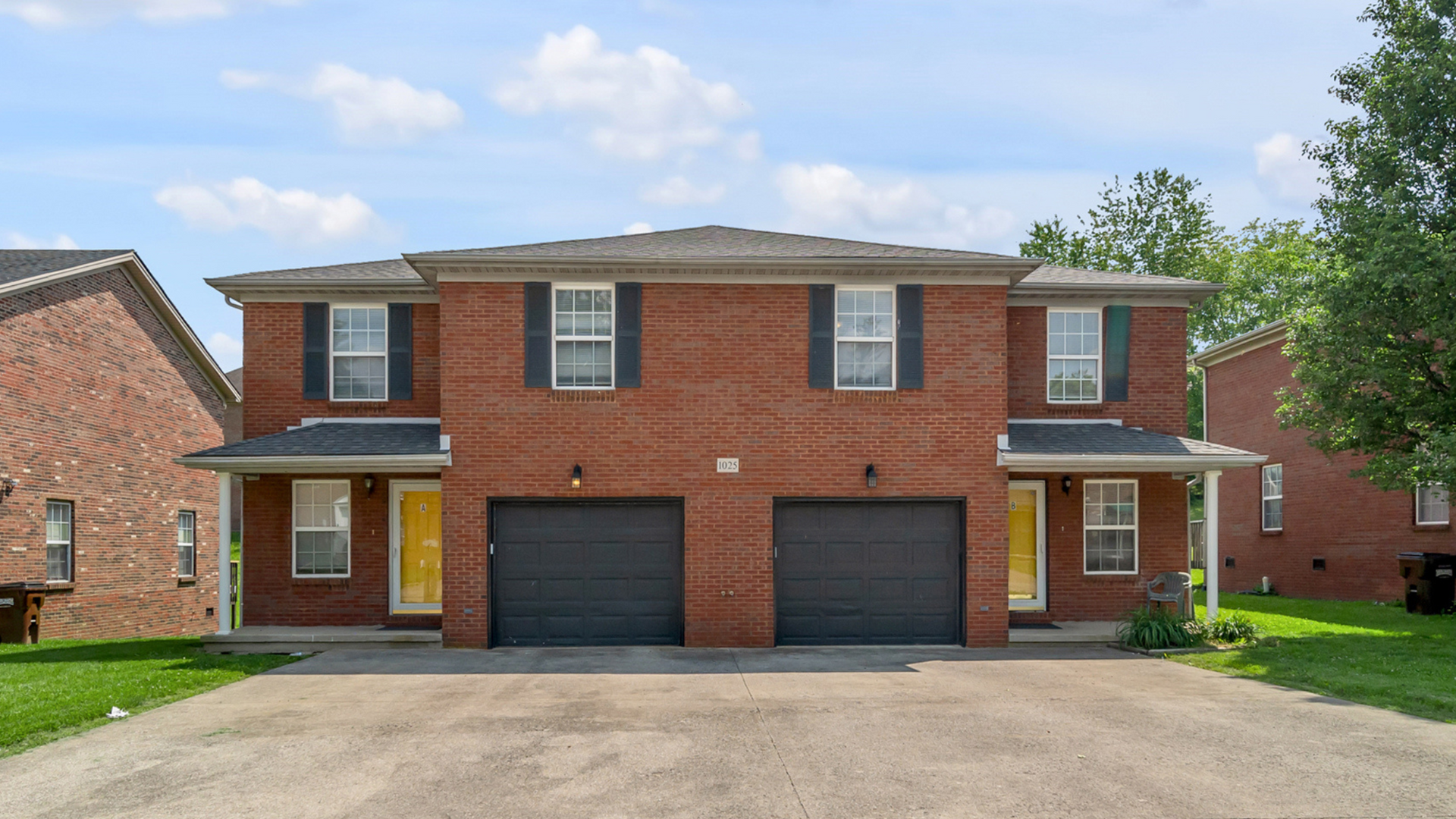
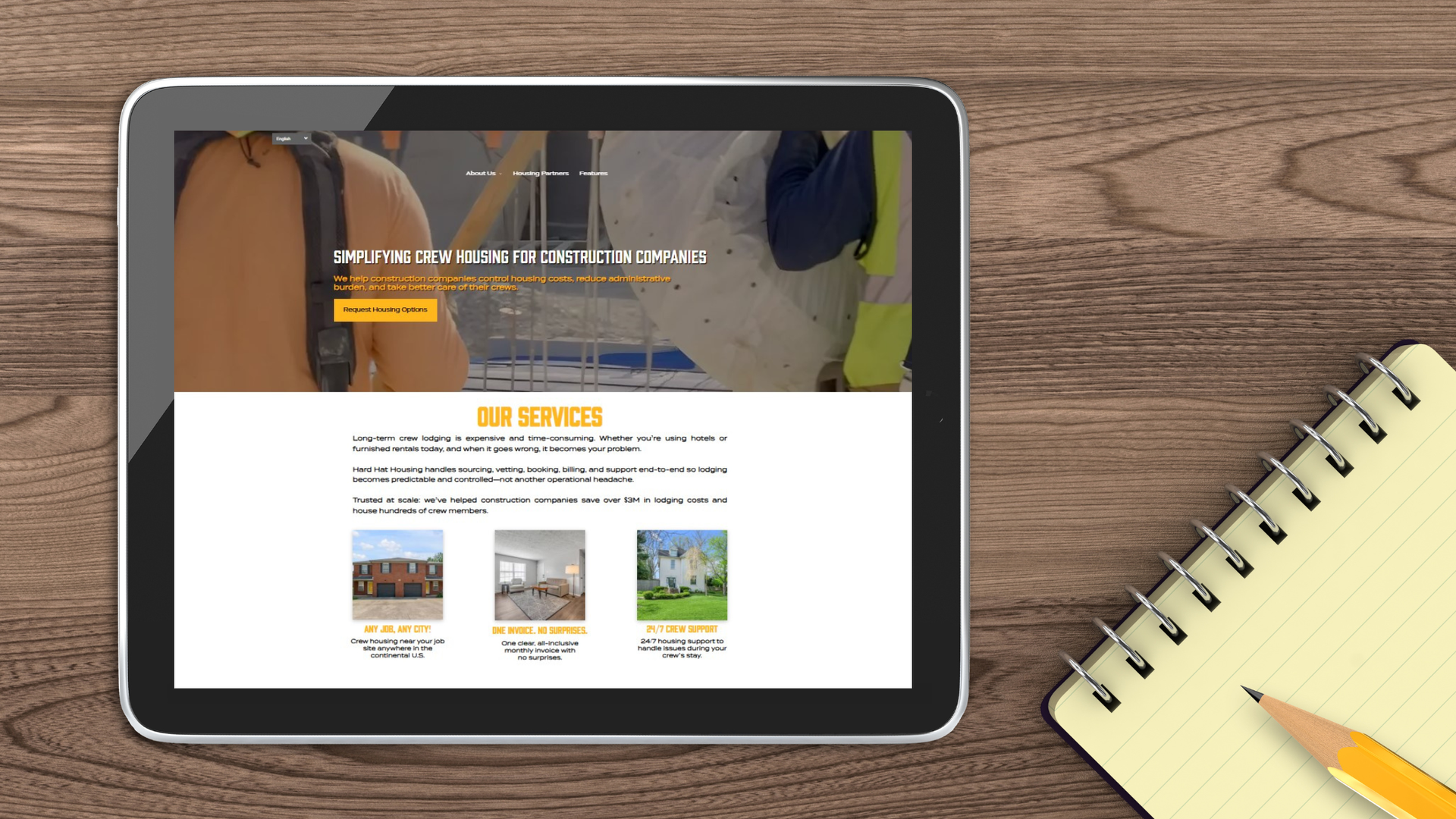
At Hard Hat Housing, we specialize in providing fully furnished, conveniently located accommodations that cater to the unique needs of construction crews. Our midterm rental offerings bridge the gap between temporary and long-term housing, ensuring comfort and functionality for your team. With amenities designed to foster collaboration and reduce logistical burdens, we make it easy for your crew to focus on what they do best—building.
Maximize your project success with Hard Hat Housing's construction worker housing solutions. From reducing commute time to improving morale, our housing options are tailored for your team’s needs. Simplify logistics—explore now!