
Creating a Comfortable Living Environment for Construction Workers
Construction workers often face challenging conditions on job sites, making it important for them to have a comfortable living environment during their projects. A supportive and peaceful space to relax at the end of a long day can contribute significantly to their overall well-being and job satisfaction. A well-organized living environment can foster mental and physical health, ensuring workers remain productive and motivated. After all, a workforce that feels rested and valued is more likely to deliver quality results.
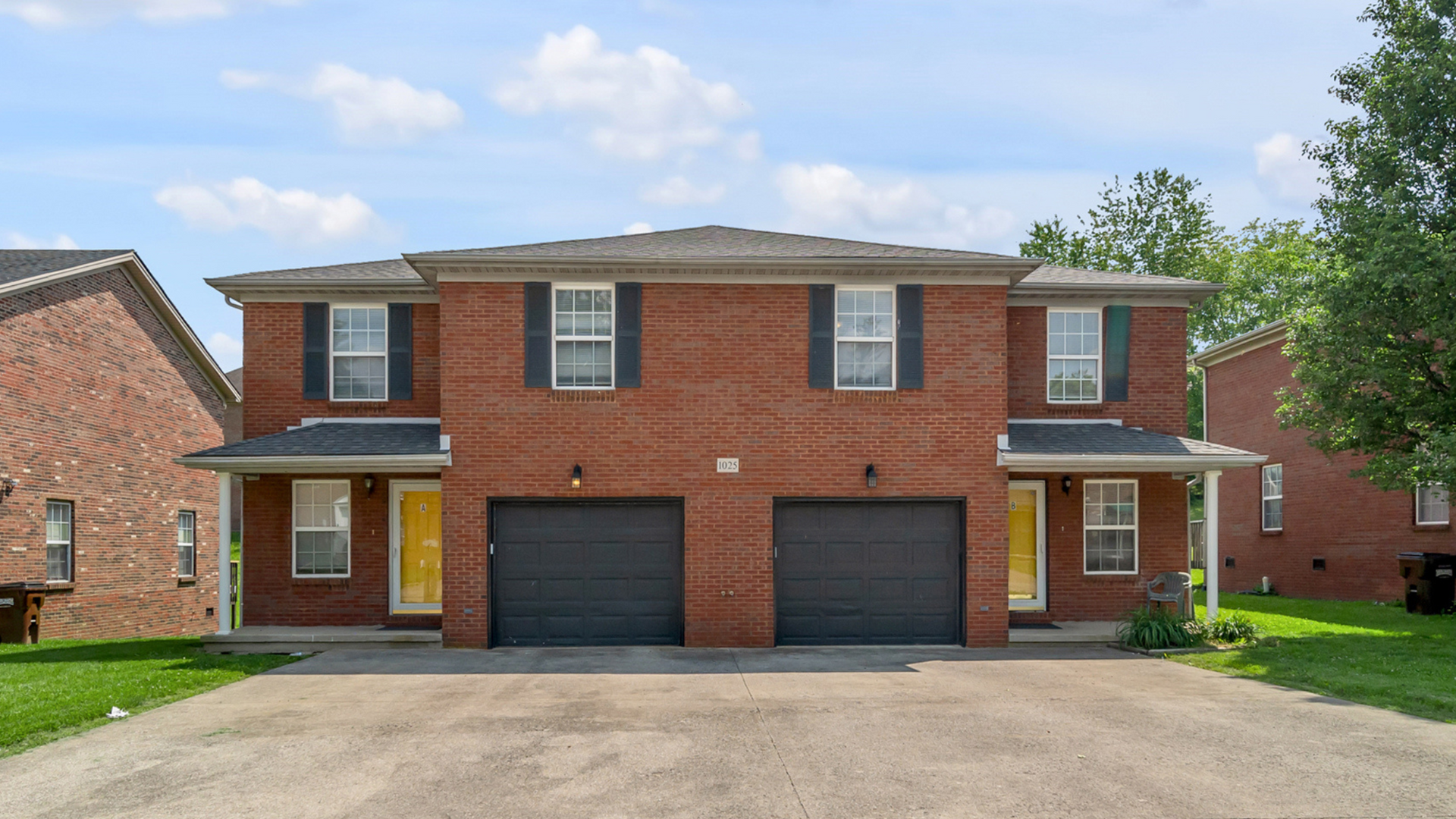
To achieve this, companies can focus on providing midterm rental options tailored specifically for construction crews. Such rentals are designed to not only meet the basic needs of workers but also to enhance their living experience away from home. The right accommodations can greatly improve employees' performance by reducing stress and increasing job satisfaction. It is worth considering how these accommodations can make a difference for the workers who build our structures and cities.
Comfortable Living Spaces
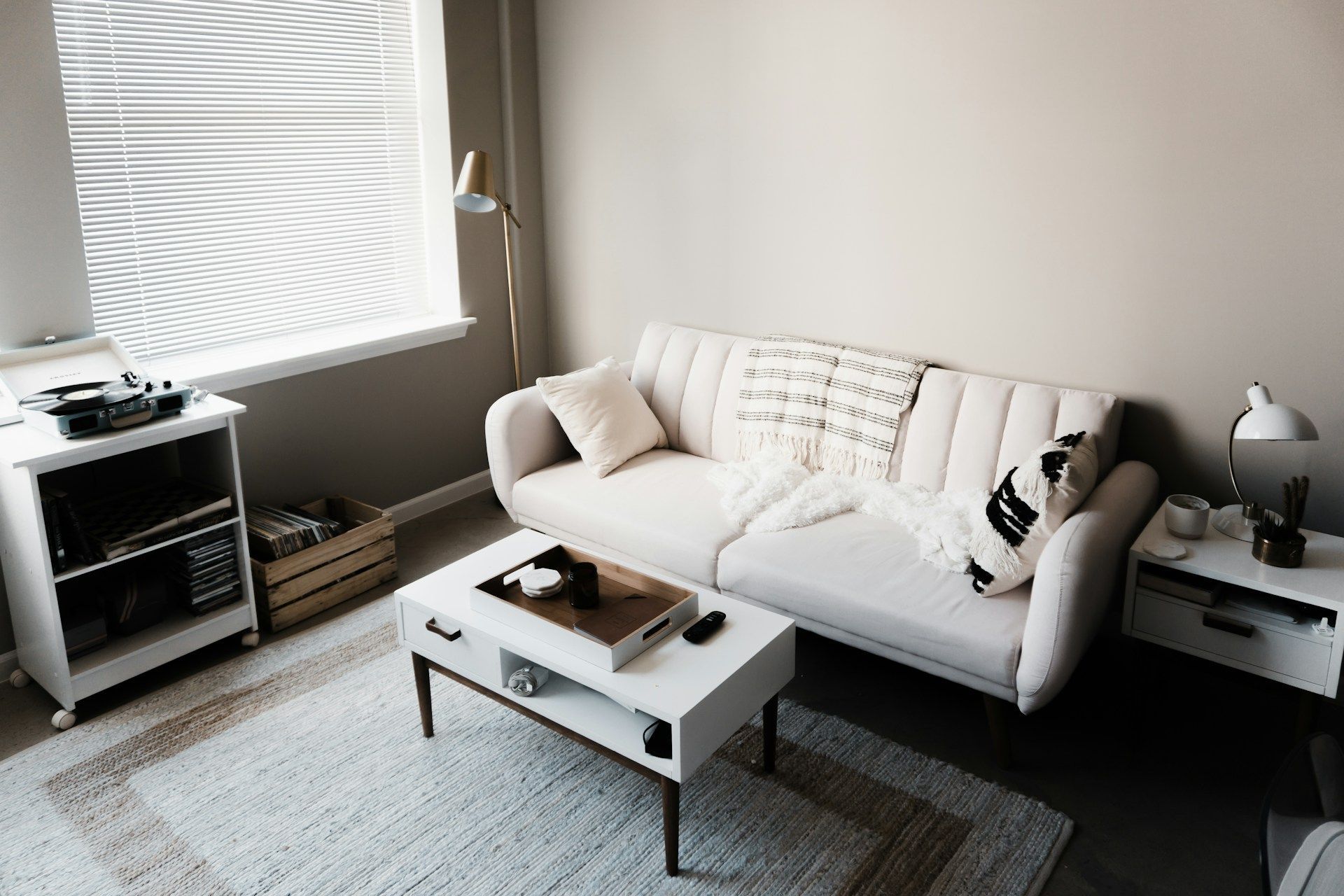
For construction teams, having a comfortable and well-furnished place to stay makes a big difference. Imagine coming back to a cozy apartment after a long day, where soft couches and convenient amenities await. The presence of these simple comforts can turn a drab space into a welcoming retreat. Offering fully-equipped spaces with modern conveniences helps to ensure workers feel at home, even miles away from their own.
Key features that contribute to a warm living atmosphere include:
- Comfortable furniture like sofas and beds that provide ample rest
- Entertainment options such as a TV or a charging station
- Quality lighting that enhances the ambiance
These amenities can create a sense of normalcy and stability, which is highly appreciated by workers living away from their families for extended periods. This investment in comfort directly correlates with work performance and morale, making it a win-win for both employers and employees.
Proximity to Job Sites
One underrated benefit of carefully chosen accommodation is its proximity to construction sites. Housing located close to these sites can dramatically cut down on commute times, providing workers more freedom with their schedule.
By lowering the strain of daily commuting, workers can start each day feeling centered and focused. Nearby accommodations allow for easier access to the essentials, ensuring workers have more personal time. This can support a healthier work-life balance, encouraging happier, more engaged employees.
Nutritional Needs and Cooking Facilities
A good diet plays an important role in keeping construction workers energized and ready to tackle demanding tasks. Having a kitchen in their accommodations allows team members to whip up nutritious meals that suit their tastes and dietary requirements. The freedom to cook fresh meals can turn dining from a rushed necessity into a pleasant, communal activity. This can be a welcomed change from relying on take-out or restaurants, which may not always align with personal health goals.
Cooking a meal at home, even something simple like a pasta dish with fresh vegetables, provides a sense of control over diet and nutrition. It is not just about filling up; it is about fueling the body with the right nutrients to maintain energy levels throughout the day. Spending time preparing meals can also be a relaxing break from routine site activities, offering a chance to unwind and share moments with fellow workers.
Community and Team Building
Living in shared spaces can tremendously enhance the sense of community among construction crews. Being in close quarters encourages interaction, helping team members bond over daily experiences. They can share meals, unwind after work, or watch a game together. Such shared moments can lay the groundwork for strengthened relationships and improved team dynamics.
A united team does not just work more effectively; it enjoys the process, making day-to-day tasks more enjoyable. Friendly chatter during a barbecue or helping each other out with chores can create a team that is not just working together but thriving together. These connections made off-site often translate to better collaboration and coordination back at the job site too.
Personalized Assistance and Maintenance
When workers are on the go, dealing with unexpected housing issues can be a hassle. Access to personalized assistance ensures that any hiccups, like a faulty appliance or a leaky faucet, are promptly addressed. It is reassuring to know that help is readily available, letting workers focus more on their jobs and less on domestic inconveniences.
Regular maintenance such as monthly cleaning services can also relieve workers from additional chores. A tidy environment feels refreshing and helps maintain hygiene, which is especially important when living in shared spaces. Knowing that these aspects are taken care of allows workers to rest easy and make the most of their time off.
Creating a welcoming living environment for construction teams goes beyond just providing a roof over their heads. It is about offering spaces where they can relax, cook, and connect with each other, while also minimizing daily stressors. Comfort, nourishment, and camaraderie pave the way for a more content and productive workforce. With the right accommodations, construction companies can ensure their crews not only perform well but also thrive in their daily lives.
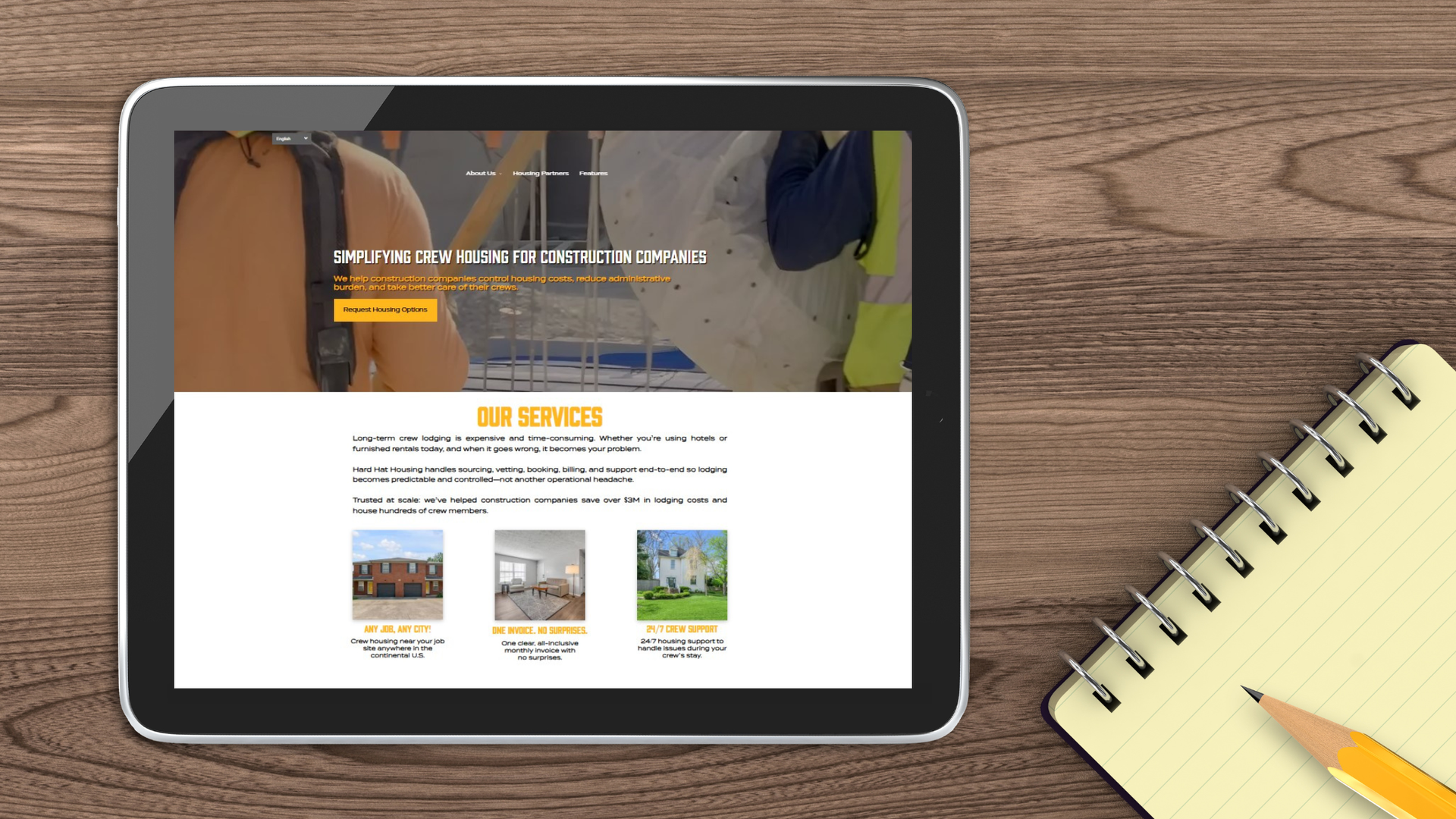
Discover how Hard Hat Housing can transform the experience of your construction crews through thoughtful accommodation solutions. Ensure your team has the best living conditions that cater to their well-being and productivity by exploring our accommodation for construction workers today. From comfortable furniture and convenient locations to personalized support, we provide everything needed for a successful project experience.