Boosting Team Cohesion Through Shared Housing
Shared housing offers more than just a place to sleep for construction crews; it builds stronger teams. When workers live together, they form connections that help them communicate and collaborate better on the job. This kind of housing setup encourages sharing of daily experiences and challenges, which enhances teamwork.
Living together can turn work groups into tight-knit teams. It fosters a sense of camaraderie and support among crew members. This can translate into better performance at work as team members understand each other better and work towards common goals. Plus, shared spaces encourage more interaction, helping crews stay connected even after the workday ends.
Cost-effectiveness is an added benefit of shared housing. Companies can provide a comfortable living environment without overspending, making it a smart choice for construction crews. With everything from rent to utilities shared, it creates savings while promoting a supportive community where team members can unwind and build lasting bonds.
Understanding the Benefits of Shared Housing for Construction Crews
Shared housing is beneficial for construction crews in various ways. It plays a crucial role in fostering strong team bonds and collaboration among crew members. When workers share living spaces, they have more opportunities to interact and build camaraderie. This kind of environment helps team members build trust, which is essential for working smoothly together on job sites. Working in a cohesive team improves overall productivity and efficiency, leading to better project outcomes.
Moreover, shared living spaces enhance communication among crew members. Living under the same roof encourages more open conversations, as individuals are more likely to share ideas, discuss challenges, and seek solutions together. This constant interaction helps workers sync better and coordinate activities effectively, reducing misunderstandings on job sites. The improved communication creates a smoother workflow, ensuring projects stay on schedule.
Another major advantage is cost-effectiveness. Sharing housing expenses such as rent and utilities reduces the financial burden on both the company and its employees. Companies can provide fully equipped accommodations that do not strain budgets. This makes shared housing an attractive and practical option for construction crews, allowing them to focus more on their work and less on personal financial worries.
Key Features of Hard Hat Housing’s Shared Accommodations
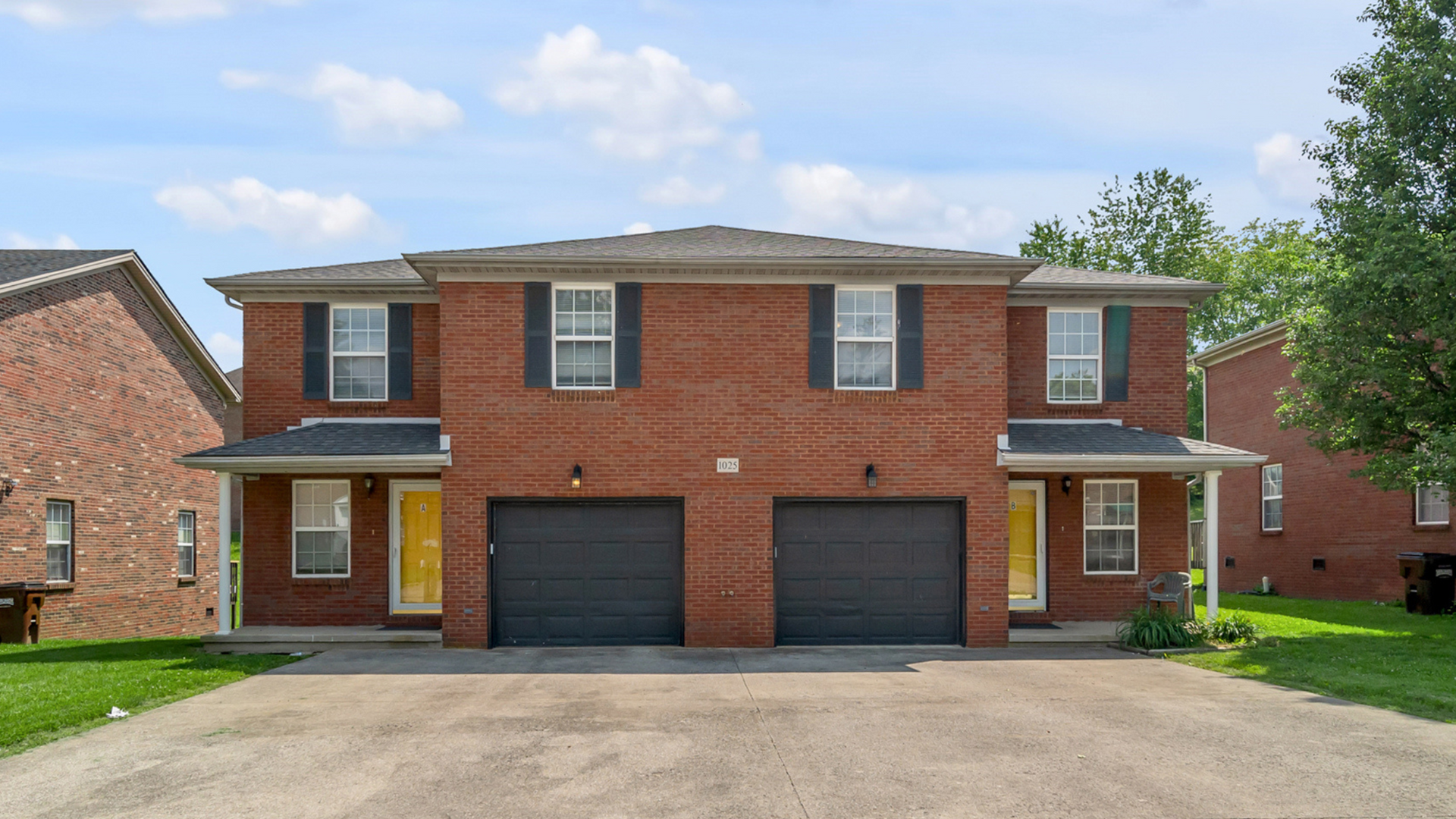
Hard Hat Housing offers shared accommodations designed to support construction crews with comfort and convenience. Here are some essential features of our shared housing options:
- Fully Furnished Rooms: Each property comes equipped with cozy furniture and essential appliances to ensure a comfortable living experience. Crew members won't need to worry about bringing their own furniture.
- Common Areas: Spacious common areas provide a perfect spot for relaxing after a long day. These areas foster interaction and camaraderie among crew members.
- Monthly Cleaning Services: Our monthly cleaning services boost team harmony by maintaining a clean and tidy environment. This ensures that all crew members can focus on their tasks without worrying about chores.
Additionally, our accommodations come with several amenities that are tailored to make life easier. These include high-speed Wi-Fi to keep crew members connected and utilities included to cut down on personal expenses. Shared kitchens encourage group cooking, promoting teamwork and healthier eating habits. With all these features, our housing solutions are not just practical, but they also enhance crew morale and reduce overall stress. Our shared spaces are ideal for crews looking to form stronger bonds while enjoying a pleasant, hassle-free living environment.
Facilitating Community Building and Support
Shared housing naturally encourages community building, making it easier for crew members to connect on different levels. When workers reside together, they are more likely to engage in activities that foster social interactions, creating a supportive network among them. This support system can be essential during challenging times, as team members can rely on one another for assistance and encouragement.
Common areas play a significant role in creating a sense of belonging. These spaces are designed for relaxation and interaction, encouraging informal meetings or team-building activities. Crews can host movie nights, group meals, or game nights in these areas, fostering team unity and cooperation.
Shared facilities like kitchens and lounges are more than just functional spaces; they become hubs for interaction. Crews can organize potluck dinners or themed cooking nights, which strengthen their bond. Outdoor spaces, such as patios or gardens, offer venues for barbecues or small celebrations, further enhancing team dynamics. These experiences build a sense of community, which translates into better collaboration and communication on job sites.
Proximity to Job Sites and Its Impact on Team Dynamics
The location of housing relative to job sites significantly affects team dynamics. When accommodations are close to work, stress levels decrease, as long commutes are eliminated. Crew members enjoy a shorter, more predictable travel time, which helps start the day on a positive note.
More time means extra moments for team bonding and rest. With saved commuting hours, crews have opportunities for informal team meetings, fitness activities, or simply unwinding together. These communal interactions improve relationships and understanding among team members, fostering a cohesive team that works harmoniously.
Reduced commuting also positively impacts teamwork and project outcomes. By living near job sites, crew members arrive less fatigued and more ready to tackle daily tasks. This improved well-being boosts concentration and productivity on the job. As a result, enhanced team spirit and collaboration lead to successful project completions on schedule.
Conclusion
Shared housing presents a powerful solution for construction companies aiming to enhance team cohesion and performance. Providing such accommodations to crews promotes stronger bonds, effective communication, and an overall better work environment. The accessibility of shared spaces combined with proximity to job sites not only eases daily routines but also nurtures a more connected team.
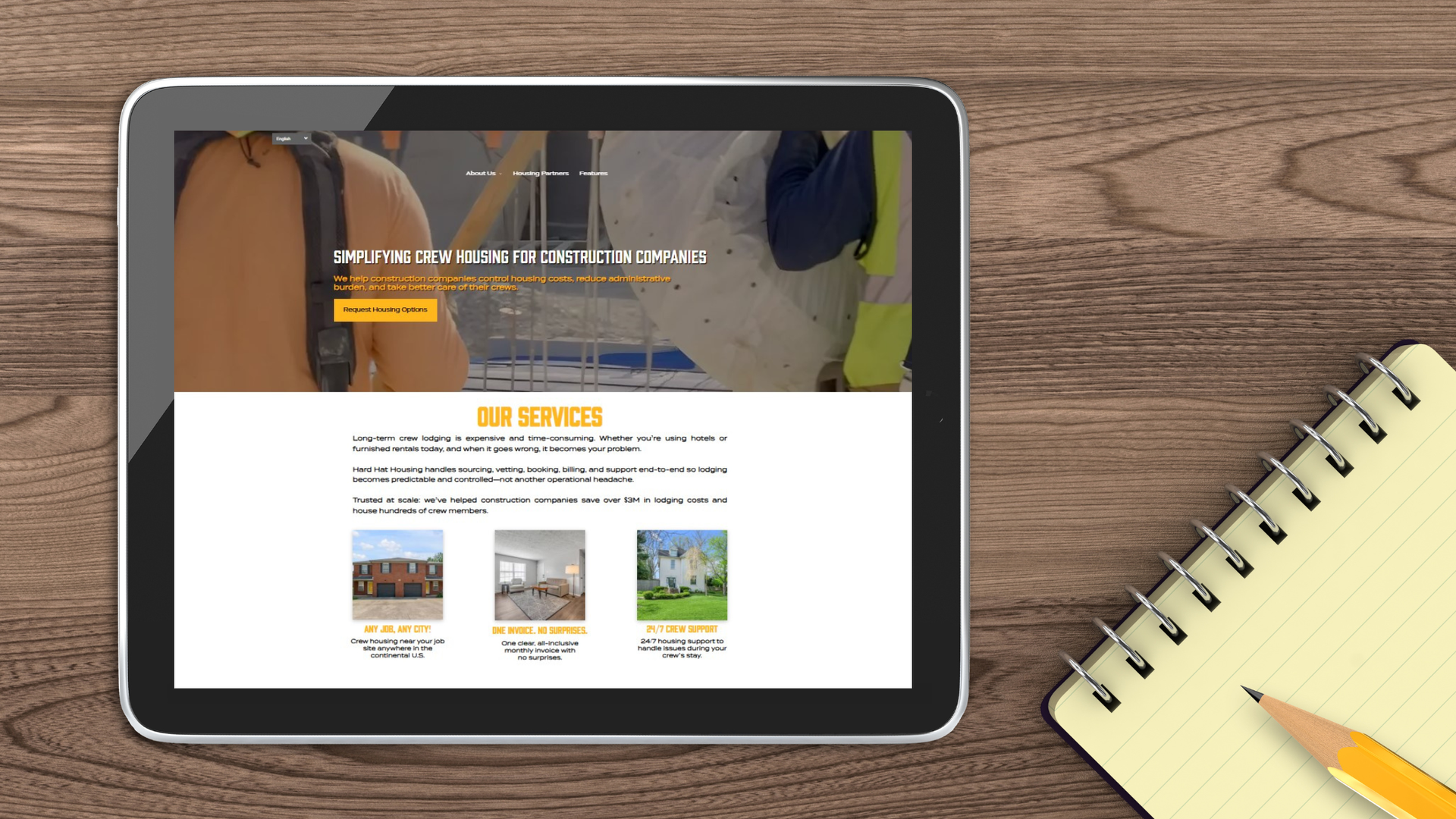
Contact Hard Hat Housing to explore workforce housing solutions that suit your construction crew’s needs. Our fully furnished rentals, positioned conveniently near job sites, are designed to foster a sense of community and support. With amenities and services aimed at easing team living, choosing our properties ensures a harmonious and efficient work environment. Let Hard Hat Housing help your crew thrive both on and off the job.