
Benefits of Booking Temporary Housing for Construction Workers
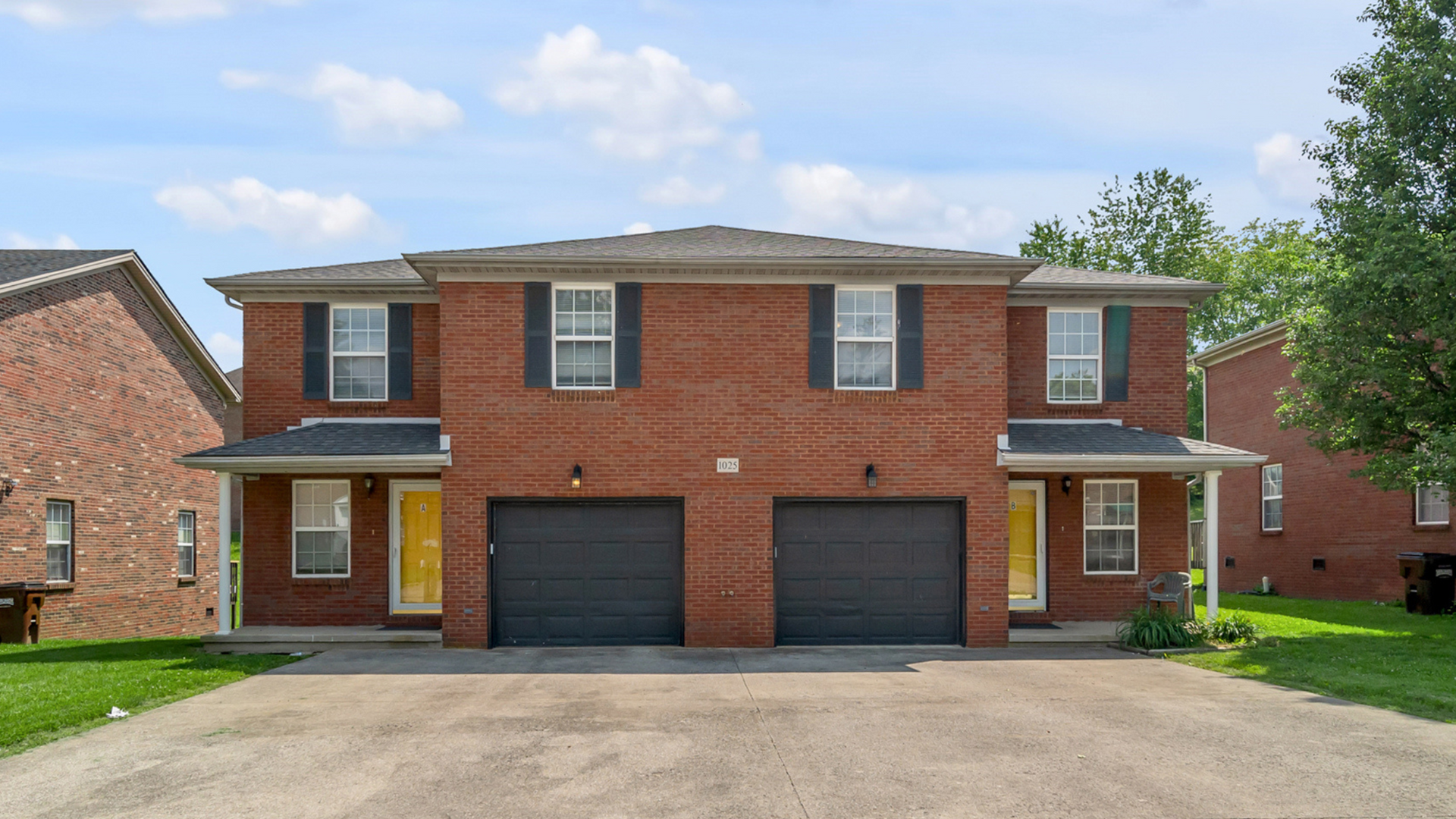
In the world of construction, ensuring that the crew has a comfortable place to call home during projects can make a big difference. Temporary housing for construction workers serves this need by offering places like apartments and houses that are close to job sites. These options provide a cozy environment where workers can relax and recharge, which boosts morale and makes them happier.
Understanding the importance of convenient and comfortable lodging is key for those planning construction projects. Workers spending long hours on-site face demanding physical tasks and deadlines. By supporting them with welcoming accommodations, we help improve their overall well-being and job satisfaction.
Enhanced Worker Satisfaction
Everyone appreciates a good night's sleep and a place that feels like home. Comfortable living accommodations let construction workers unwind after a tough day, providing them with private spaces to relax without hotel noise or disruptions. This kind of environment is beneficial as it allows workers to recharge for the next day's challenges.
Better housing not only keeps workers happy but also helps them feel valued. By providing a living space that they can enjoy, construction companies demonstrate care for their teamwork and well-being. Here's why comfortable accommodations can lead to happier workers:
- Privacy and Personal Space: Having a personal area helps workers maintain a sense of normalcy and reduces stress.
- Quiet Time: A peaceful setting promotes relaxation, ensuring workers wake up ready to tackle each day.
- Security: Knowing they have a safe and stable residence means workers can focus on their jobs without additional worry.
By prioritizing a good living experience, companies create a more positive and productive work environment. This focus on comfort encourages loyalty and fosters a sense of community amongst workers, leading to better overall performance and satisfaction.
Increased Productivity
Shorter commutes can do wonders for a construction team's efficiency. Imagine a scenario where workers spend less time stuck in traffic and more time getting a good night's rest. With temporary housing right near the job site, workers can start their day feeling fresh and ready. This setup reduces the stress of long journeys and allows them to arrive more focused and energized for the tasks ahead.
What's more, being nearby means crews can address unexpected issues promptly without the long drive back. Faster response times keep projects on schedule and contribute to a more efficient work environment. Consider the following benefits:
- Timely Arrivals: Reduced travel time helps ensure workers get to the job site promptly.
- Quick Access: Easier access to the site provides flexibility and encourages timely problem-solving.
- Energy Boost: More time to rest means workers can tackle tasks with increased vigor.
Temporary housing places workers within a stone's throw of their projects, allowing them to harness their full potential.
Cost-Effectiveness
When weighing lodging options, it's clear that temporary housing offers a financial edge. Unlike hotel stays, which can quickly add up, living in an apartment or house offers more for less. This choice can lead to significant savings over time, freeing up resources for other project needs.
Moreover, fewer commuting costs—such as gas and vehicle wear—further enhance the economic benefits. Companies can effectively direct funds where they're most needed, like equipment upgrades or crew wellness programs. Here's how temporary housing stacks up financially:
- Lower Rent: Rental properties offer more affordable rates than hotel rooms.
- Savings on Meals: Access to a full kitchen reduces dining costs.
- Fewer Transport Expenses: Nearby housing slashes fuel and vehicle maintenance expenses.
By opting for reliable accommodations, construction firms can substantially diminish operating costs.
Health and Well-being
For construction workers, quality sleep and nutritious meals are essential. Staying in temporary housing ensures they can rest comfortably and enjoy home-cooked meals. A full kitchen provides the means to cook balanced meals, promoting healthier lifestyles among team members.
The atmosphere in rental homes or apartments—spacious and quieter than hotels—encourages relaxation and restorative sleep. After a full day on-site, this makes it easier to recharge. The importance of an adequate setup can't be underestimated when considering the demands of physically intensive work.
In providing healthier, personalized living conditions, construction firms lay a foundation for happier, more effective teams.
Simplified Logistics
Having crews based close to project sites simplifies coordination immensely. It reduces logistical challenges, allowing managers to quickly align schedules and ensure smooth transitions between shifts. This seamless adaptation contributes to improved project flow and efficiency.
Location proximity also streamlines emergency protocol execution and site access for additional resources. By keeping everything tight-knit and nearby, companies can address any hurdles that arise promptly and with reduced hassle.
In summary, opting for closer housing eases workflow management and allows teams to operate harmoniously, staying one step ahead of potential obstacles.
Conclusion
Choosing temporary housing for construction crews offers countless advantages—from enhanced productivity and cost savings to better health and logistics. Providing accommodations close to job sites enables teams to function at their best, ensuring workers are refreshed, motivated, and ready for action.
Thoughtfully selected living arrangements reflect a company's commitment to its employees, not just as workers, but as individuals. By recognizing these needs, businesses can build a more cohesive and performance-driven team environment, paving the way for greater project success.
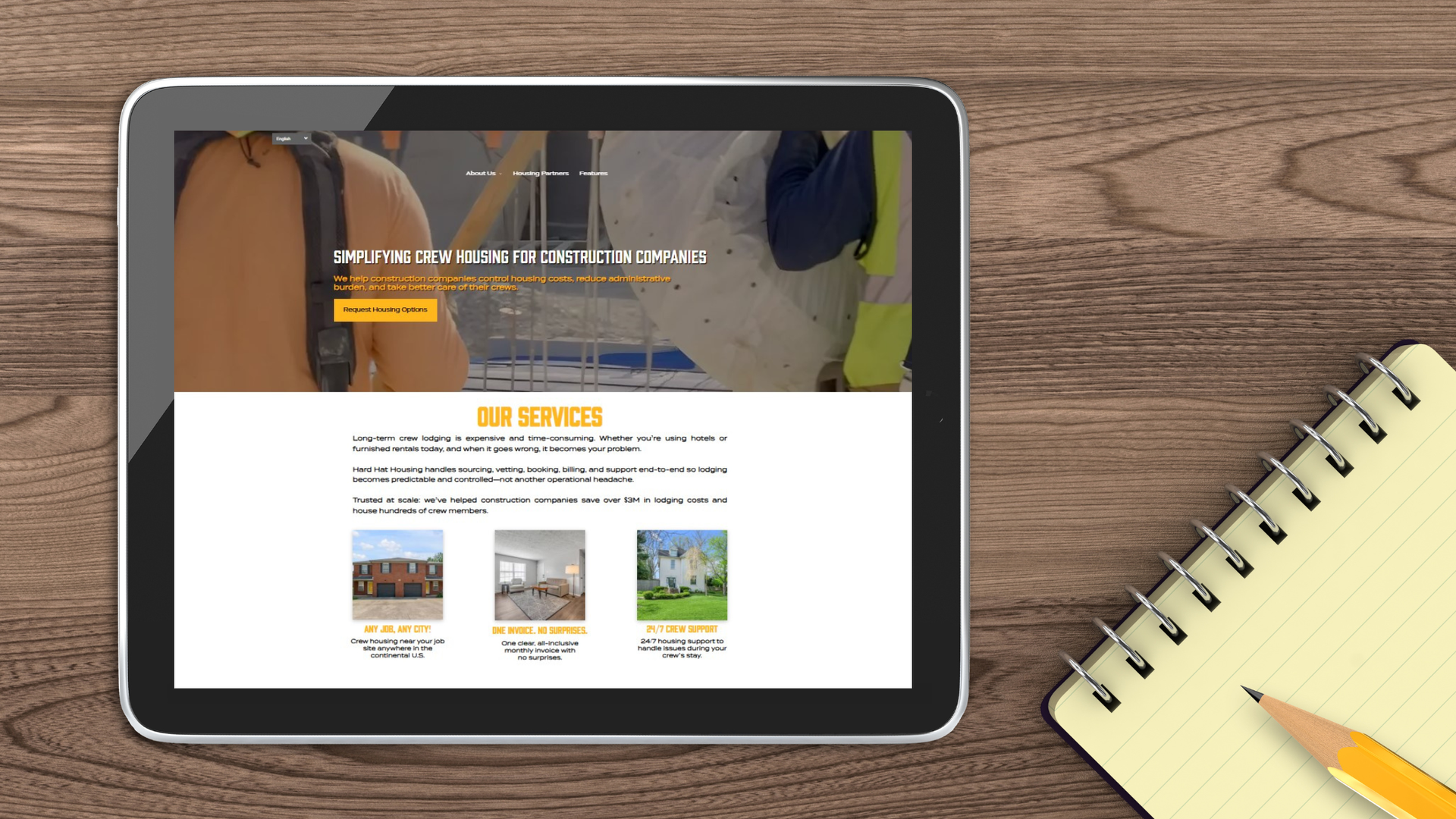
If you’re ready to boost your project’s success and worker satisfaction, explore how Hard Hat Housing's solutions for
temporary housing for construction workers can transform your approach. Discover more about the features and benefits that cater specifically to your crew's needs by visiting their features page.